

Search Your Profile Here?
Type Name
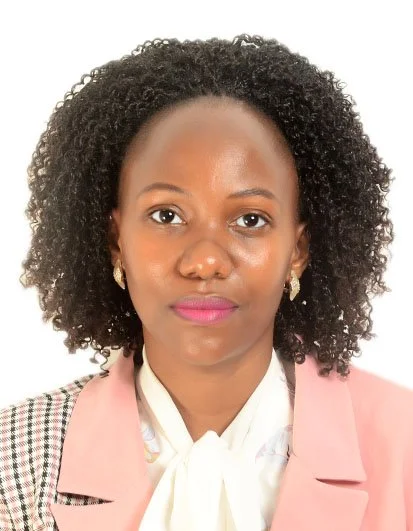
Dr. Nansereko Racheal Kabuye
What i enjoyed most was seeing the transition from theoretical research methods to actual project implementation. Beyond the technicalities of project implementation, i valued the mentorship on professional navigation for example i learnt how to communicate to stakeholders and manage the project team.
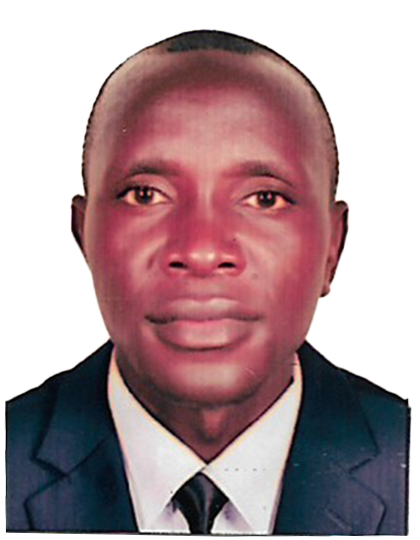
Dr. Oguta Solomon
I enjoyed the program because it provided a comprehensive and well-structured exposure to the entire research process, from idea generation and proposal development to data analysis, implementation, and dissemination. The progression from foundational concepts in research design to advanced topics such as mixed methods, evaluation research, and high-precision monitoring allowed me to build confidence and competence in both theoretical and practical aspects of research.
I particularly appreciated the balanced emphasis on qualitative, quantitative, and mixed research methods. This approach strengthened my ability to choose appropriate methodologies based on research questions rather than convenience, and it deepened my understanding of how different methods complement each other in producing robust and credible evidence, especially in public health and program evaluation contexts.
Another aspect I enjoyed was the strong focus on research ethics, safety, and integrity. The discussions on ethical conduct, human subject protection, and responsible research practices enhanced my appreciation of ethical decision-making in diverse and international research settings, reinforcing the importance of safeguarding participants and maintaining scientific credibility.
The program’s practical orientation was also highly engaging. Training in proposal writing, monitoring and evaluation, grant resource mobilisation, and manuscript development equipped me with skills that are directly applicable to real-world research and professional environments. Learning how to translate research findings into publishable manuscripts and policy-relevant outputs was particularly valuable.
Ultimately, I appreciated the multidisciplinary and collaborative nature of the program, which was facilitated through partnerships with academic, clinical, and research institutions. This exposure broadened my perspective, encouraged critical thinking, and strengthened my motivation to apply research as a tool for evidence-based decision-making and meaningful social impact.
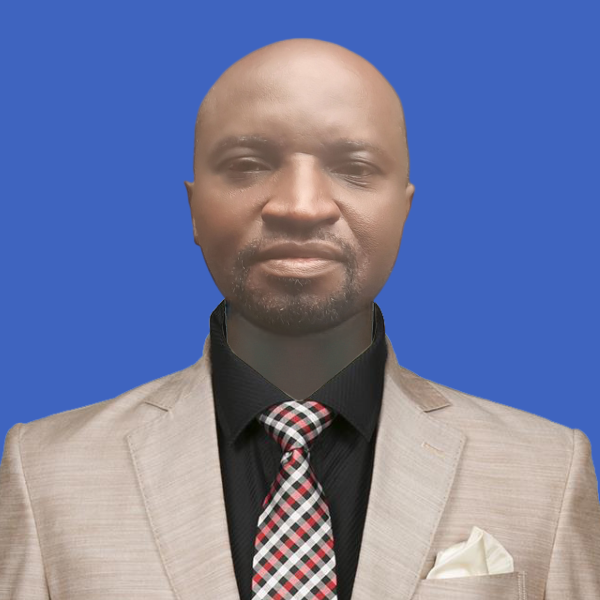
DAPAR EZEKIEL DASEN
Enrolling in this program (Research & Project Implementation) been a game-changer for my academic and professional journey. One of the key thing i enjoy is the experience in designing and implementing research projects. I learn how to craft research questions, develop methodologies, and collect and analyze data - skills that are highly valued in many organizations.
Another significant advantage is that this program will enhance my critical thinking and problem-solving abilities. I'm learning how to approach complex problems in a systematic way, break them down, and develop evidence-based solutions. These skills are not only useful in research but also in many professional settings, making me a more versatile and attractive candidate to potential employers.
The program also provide me with opportunities to work on real-world projects, allowing me to apply theoretical concepts to practical situations. This will not only deepen my understanding of research methods but also give me a portfolio of projects to showcase my skills to potential employers. Plus, i'll get to network with peers and instructors who can provide valuable guidance and connections in my field.
Finally, completing this program can open doors to various career paths or further academic pursuits. Whether i’m interested in academia, policy research, public health, or industry research, having a solid foundation in research methods can give me a competitive edge. I'll be better equipped to contribute to discussions, make informed decisions, and drive positive change in my chosen field.

OMOWUNMI BOLUWATIFE AKANBI
It was a transformative experience that broadened my research horizons and equipped me with cutting-edge skills. As a nursing student passionate about maternal and child health, I aimed to deepen my understanding of global health disparities.
Through Freya, I gained hands-on experience in research design and scientific writing, working alongside esteemed mentors and a diverse cohort.
This programme has empowered me to drive impactful research in underserved communities. I'm grateful to the Freya team and my cohort for their support and collaboration. I'm excited to apply my skills to improve health outcomes for women and children globally.
I have learnt different research designs, done assessments on them and I am proud of my development. Thank you FISORI.
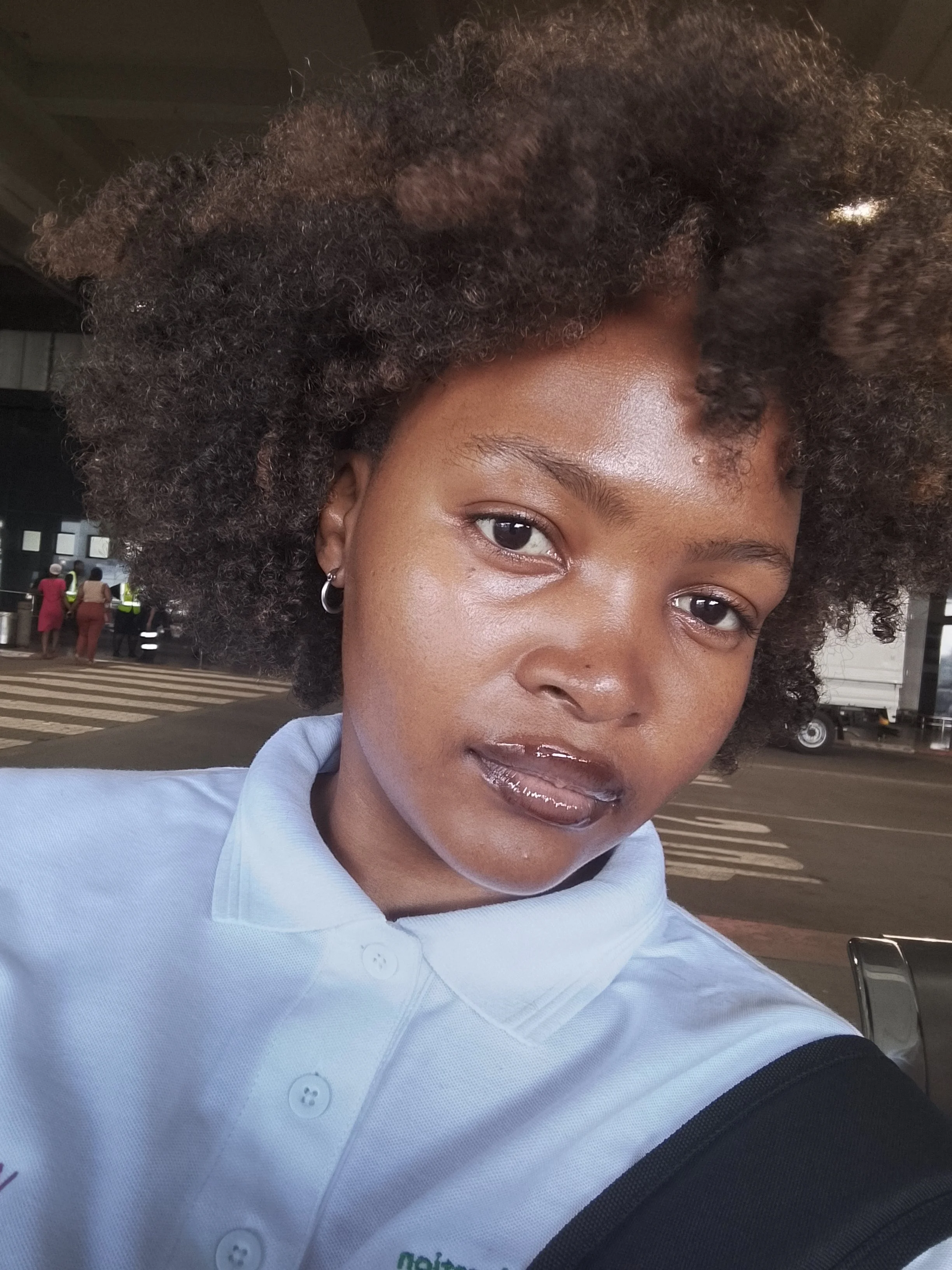
LESEGO PRUDENCE MALATSE
What I enjoyed about the program is the overall learning. I entered the program with no knowledge about research nor a background in it therefore it's been an interesting journey.
It has been great learning about the different types of research, how to write and structure them, how to consult previous studies and properly align your research goals with the right grants. Mostly I enjoyed learning how to write a research and project proposal.
I have interest in project management and am pursuing it together with my career in aviation. I have seen how I can incorporate my knowledge in research in project management and implementation. I have found the interaction between the two very interesting.
Lastly and most importantly, the relationships I have formed with my group and being able to come together to work on grant applications, exercising our different skills and collaborating with one another has been amazing. Sharing ideas with like minded individuals has been my highlight.
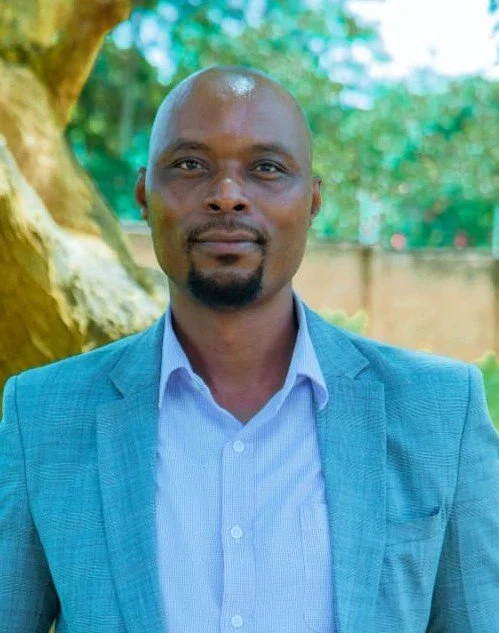
MICHAEL JOSEPH MABULA
I thoroughly enjoyed the program's comprehensive and structured approach to the entire research lifecycle, as organized under Trainer 1101, 1102, and 1103.
From Trainer 1101.7 on Writing an Effective Literature Review to Trainer 1103.17 on The Dynamics of Manuscript Writing and Successful Publication, the curriculum left no gap unfilled.
As a professional who had learned many skills on the job, I appreciated finally having a systematic framework that connected every stage of research. This holistic structure helped me organize my existing knowledge while filling critical gaps, making me a more confident and capable researcher.
I was particularly excited about the modules on mixed-methods research under Trainer 1101.5 and the practical application of research designs in Trainer 1102.9.
Having worked extensively with quantitative data in my MEL roles, I had long recognized the need to integrate qualitative insights for a more complete understanding of development interventions.
The opportunity to master Trainer 1101.2 on Qualitative Research Methods, Trainer 1101.3 on Quantitative Research Methods, and Trainer 1101.4 on Sampling Methods equipped me to design studies that captured both statistical rigor and human context, a skill essential for impactful research.
The emphasis on legitimate grant writing and resource mobilization under Trainer 1102.13 was another aspect I genuinely valued. My experience managing donor-funded projects had shown me that securing funding is both an art and a science.
Learning structured techniques for writing winning proposals through Trainer 1102.10 on Research Proposal Writing and Trainer 1102.11 on Project Proposal Writing, combined with understanding global grant opportunities, will undoubtedly benefit my career and enable me to bring vital resources to the communities and organizations I serve.
Finally, the modules on Trainer 1101.8 on Referencing Styles and Tools including Mendeley & EndNote, Trainer 1103.14 on Research Ethics & Safety, and Trainer 1103.15 on Project Monitoring in the World of Technology provided me with skills to transform my project findings into credible, published contributions to the global body of knowledge.
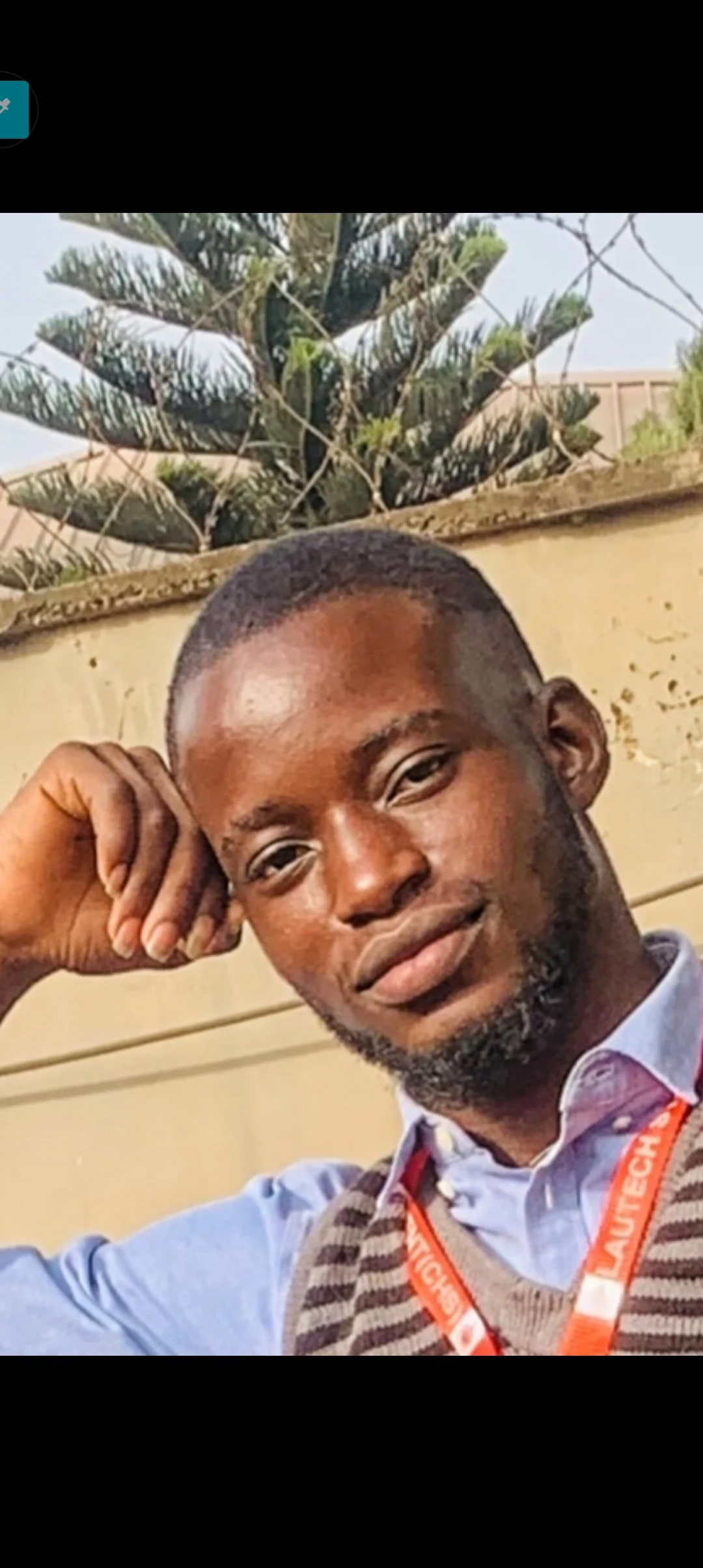
ADENIRAN ISRAEL GBOTEMI
What I enjoyed most about the Research Methods and Project Implementation program was how it helped me understand research in a clear and practical way. Before the program, research felt confusing and difficult, but the lessons made it easier to follow step by step.
I learned how to identify a research problem, ask the right questions, and choose suitable methods, which made research feel more meaningful and less stressful.
I also enjoyed the practical side of the program, especially the project implementation aspect. Being able to apply what I learned to an actual project helped me understand the importance of planning, data collection, and analysis.
It showed me that research is not just about theory, but about solving real problems and finding useful answers. This hands-on experience made learning more interesting and rewarding.
Another thing I appreciated was the interaction and discussions during the program. Listening to different opinions and ideas from others helped me see research from new perspectives. The feedback and guidance I received also helped me improve my thinking and approach to research. It made the learning environment supportive and encouraging.
Overall, the program helped build my confidence in research and improved my critical thinking skills. I now feel more comfortable reading research articles, evaluating information, and working on research-related tasks. The knowledge and skills I gained from this program will be very useful for my academic work and future career.
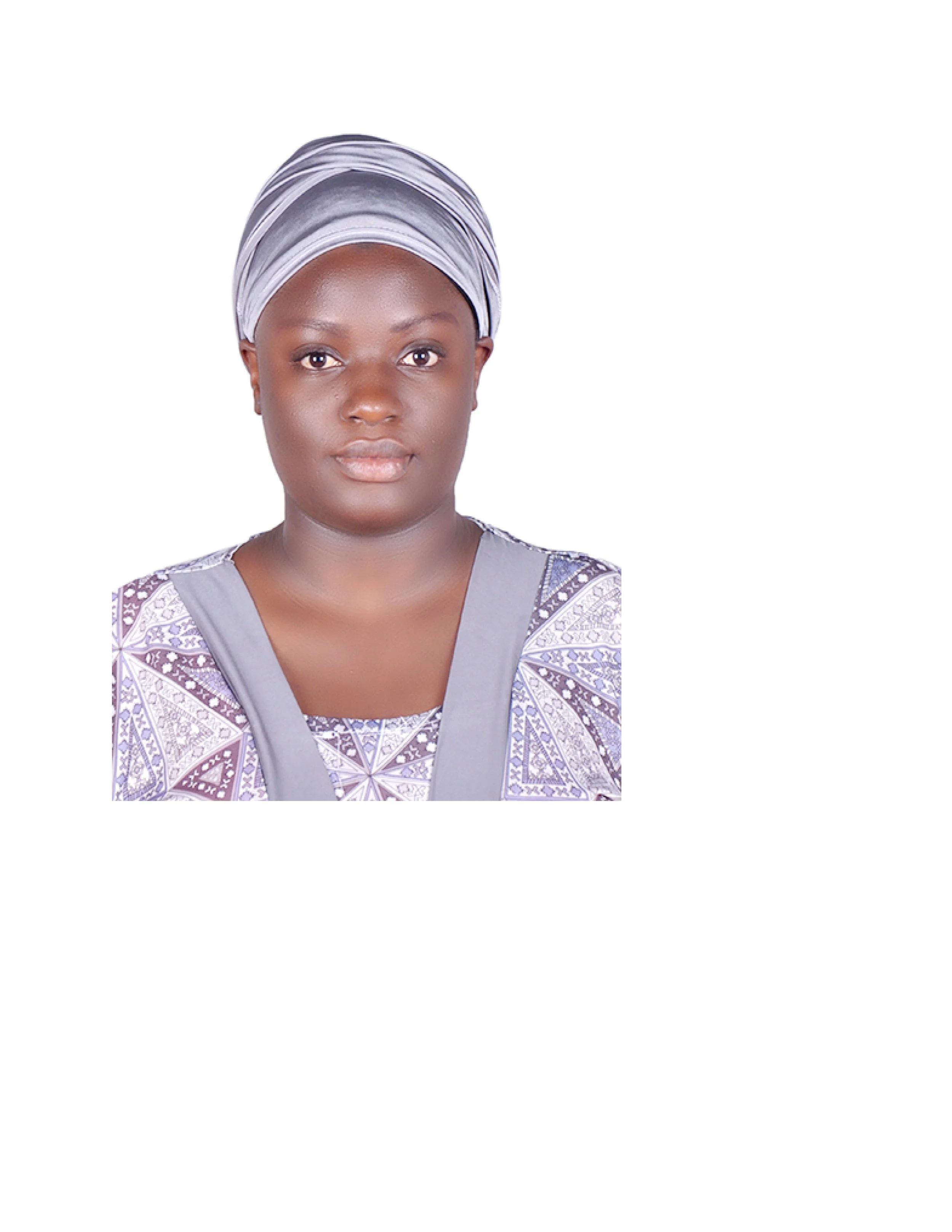
Jalidah Nabukalu
The comprehensive introduction to research and project implementation provided in the first module of the course learning about qualitative and quantitative research methods, including sampling techniques, helped me appreciate how to gather and analyze data effectively.
The sessions on mixed research methods and evaluation research particularly engaging, as they allowed her to see how multiple approaches can be applied to solve real-world community and public health problems.
The guidance on academic writing and literature review, which strengthened her ability to write evidence-based reports and proposals. Learning about referencing tools such as Mendeley and EndNote was especially useful, as it enhanced my skills in properly citing sources and managing research literature. These lessons were immediately applicable to my ongoing research projects and strengthened my confidence in producing high-quality academic work.
The practical modules on research design, proposal writing, and project proposal development. These sessions helped me understand how to plan, structure, and implement research and community projects effectively. The focus on both scientific and non-scientific writing, including storytelling techniques, which allowed me to communicate my work in an engaging and accessible manner to diverse audiences.
The modules on research ethics, project monitoring, evaluation, and manuscript writing were particularly inspiring learning about ethical standards in research and the use of technology in monitoring and evaluating projects. The final module on manuscript writing and publication gave me practical tools to share my research findings with the wider scientific and development community.
In conclusion the program as a whole strengthened my professional and academic competencies and deepened my passion for public health, gender equality, and community-centered development.
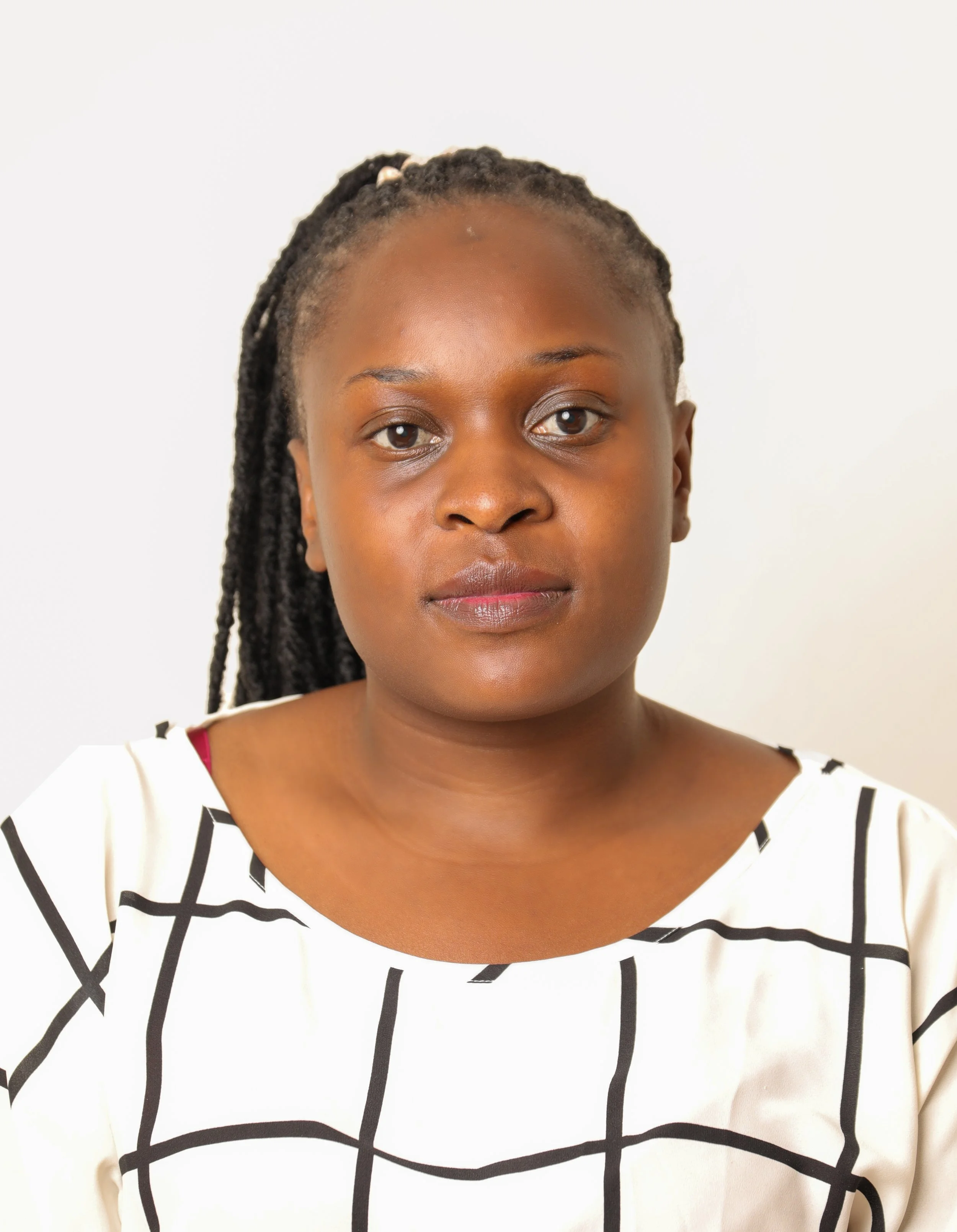
HUSSEIN SHIFA
I have enjoyed different course since the beginning ,some of my challenges was been resolved especially in descriptive and inferential statistics,data collection with different tools and data analysis with different test.
In addition I have enjoyed about sample size calculation ,sampling method and probability
LEONCIE UZIKWAMBARA
I have enjoyed different course since the beginning ,some of my challenges was been resolved especially in descriptive and inferential statistics,data collection with different tools and data analysis with different test.
In addition I have enjoyed about sample size calculation ,sampling method and probability
Derese Teshome
Trainer international
Research tools & Software in biostatistics is very important for data collection, processing, and use for decision making.
I enjoyed the training because I got the new knowledge on data collection, analysis and using for decision making. I learn how to use epidata for data entry, Canva, SPSS, STATA, and advanced excel.
The trainers were knowledgeable about the subject matter. The training timing was perfect (weekend with multiple option to select my appropriate time). I got the chance to learn from peoples with different specialisation.
I am also happy getting African friends on the training.
I got the skills how to apply a wide range of fields, from biostatistics and to clinical research and This diversity keeps training interesting and relevant for various aspects of health Collaborative environment.
This was exciting because exploring new features and capabilities to enhance analytical skills. Career advancement: Using biostatistics tools and software can open up many career opportunities in the academic, industrial and government sectors.
Knowledge of your high-demand skills can be a motivating factor Overall, the combination of practical application, problem solving, diverse applications, collaboration and career benefits makes training in biostatistics fun and useful.

KIRABO WINFRED
The mentors that we were allocated at the beginning of the course
HUMPHREYS MACHESO
There are several things that I enjoyed in our Class. The following are just some of them.
Firstly, there was relevant course content. In both the Research Methods and Tools and Softwares in Biostatistics course, the content is practically useful in my academic career as it has shaped me into a better person when it comes to Research projects. The content has given me adequate knowledge and skills which I am able to apply in my academic journey and excel steadfastly.
Secondly, I loved very much the engagements during the classes. The facilitators were able to offer us windows to participate in the content being delivered. These interactions boosted my confidence in public speaking as I was encourage to give my opinion despite the fact that I knew the answer or not.
Again, being online classes, this helped me to be active throughout the lessons. It was hard to dose off because the classes were interesting mostly.
Thirdly, this Class exposed me to Canvas which was used as both for learning and interaction platform. Canvas was very user-friendly and convenient as I could easily access information and learning materials like slides. In terms of Zoom, it was as well interesting because we were a manageable class.
Again, considering the fact that we were at liberty to choose a slot which was convenient for us, this made class attendance easy. However, the management could consider making the slides on Canvas downloadable for students for offline viewing
Last but one is that I enjoyed the modul tasks as they covered broad area of each module. We had a Discussion, Quiz and Assignment which allowed us to read more and tackle almost every part of the module hence giving us an opportunity to dwell deep into the content.
Lastly, I found True Talk News Writing volunteering an opportunity to train and shape us into good writers while contributing to significant issues affecting our socieities. This is a very commended opportunity.
However, my cohort was limited from participating in Writing training for True Talk News which was not provided to our cohort during Research Methods course.
I could keep on and on writing what I enjoyed because there are a lot.
Joseph Nsengiyaremye
What I enjoyed most about the program was the way it broke down research methods into simple, understandable steps. Before joining, I always felt that research was something complicated and reserved for people who already had experience.
But the sessions made everything clear from how to choose a research problem to how to align it with the right methodology. The examples and explanations helped me realize that research is a practical skill anyone can learn with proper guidance.
I also appreciated how the program emphasized project implementation. Learning how to move from an idea to actual execution gave me a new level of confidence. Understanding planning, timelines, feasibility, and how to manage each phase of a research project made me feel more prepared for future work.
It was especially helpful to learn how to anticipate challenges and adjust a project without losing its core objective. Another part I truly enjoyed was the training on literature review and scientific writing.
These were areas I used to struggle with, especially when reading long papers or trying to summarize information. The program taught me how to search properly, how to evaluate sources, and how to organize what I read into something meaningful.
Overall, what I valued most was how practical and engaging the entire program was. The trainers explained things in a way that felt relatable, and the discussions made the sessions interactive rather than one-sided.
I left the program feeling more capable, more confident, and more inspired to start working on my own research ideas. It opened my eyes to how research can be done step by step, and how good planning and proper methods can turn even a simple idea into a strong project.
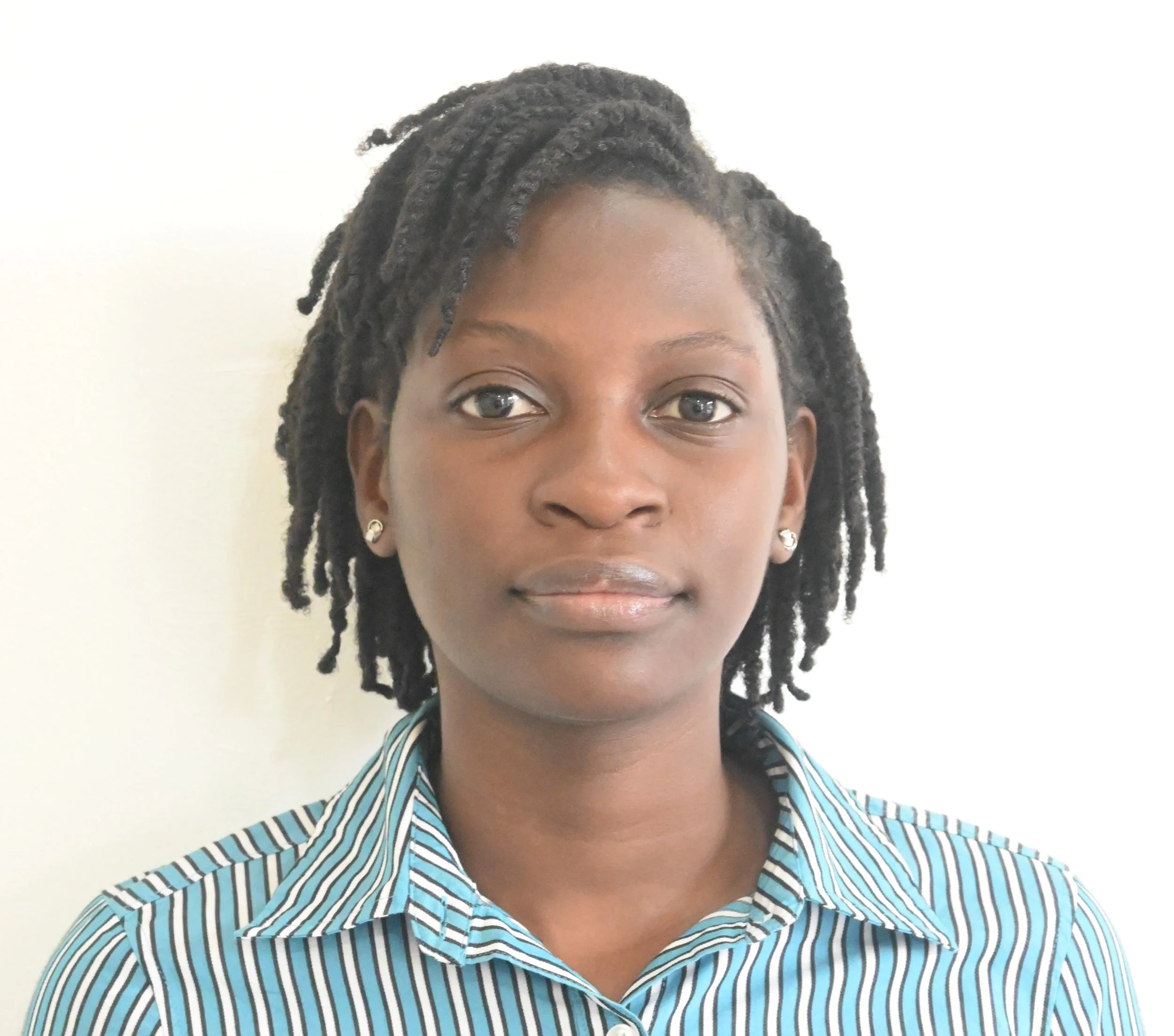
KEMIREMBE MILLENIUM
I enjoyed the weekend online classes because they were flexible and easy to follow, allowing me to learn without disrupting my week schedule.
The sessions were practical and focused on tools like R, advanced excel, google forms, kobo collect, and SPSS, which helped me strengthen my skills in analyzing data. I appreciated how the instructors used real examples, making it easier to understand how these tools apply to research and M&E work.
I also enjoyed the interactive learning environment. Even though the classes were online, we had opportunities to ask questions, share experiences, and learn from one another.
This made the lessons engaging and helped me better understand how different people apply research tools in their fields. Overall, the program improved my confidence in using research software and applying statistical methods more accurately.
It filled the gap I previously had in accessing advanced tools and mentorship, and it has already strengthened my ability to contribute to evidence-based decision-making, program evaluations, and future research projects.
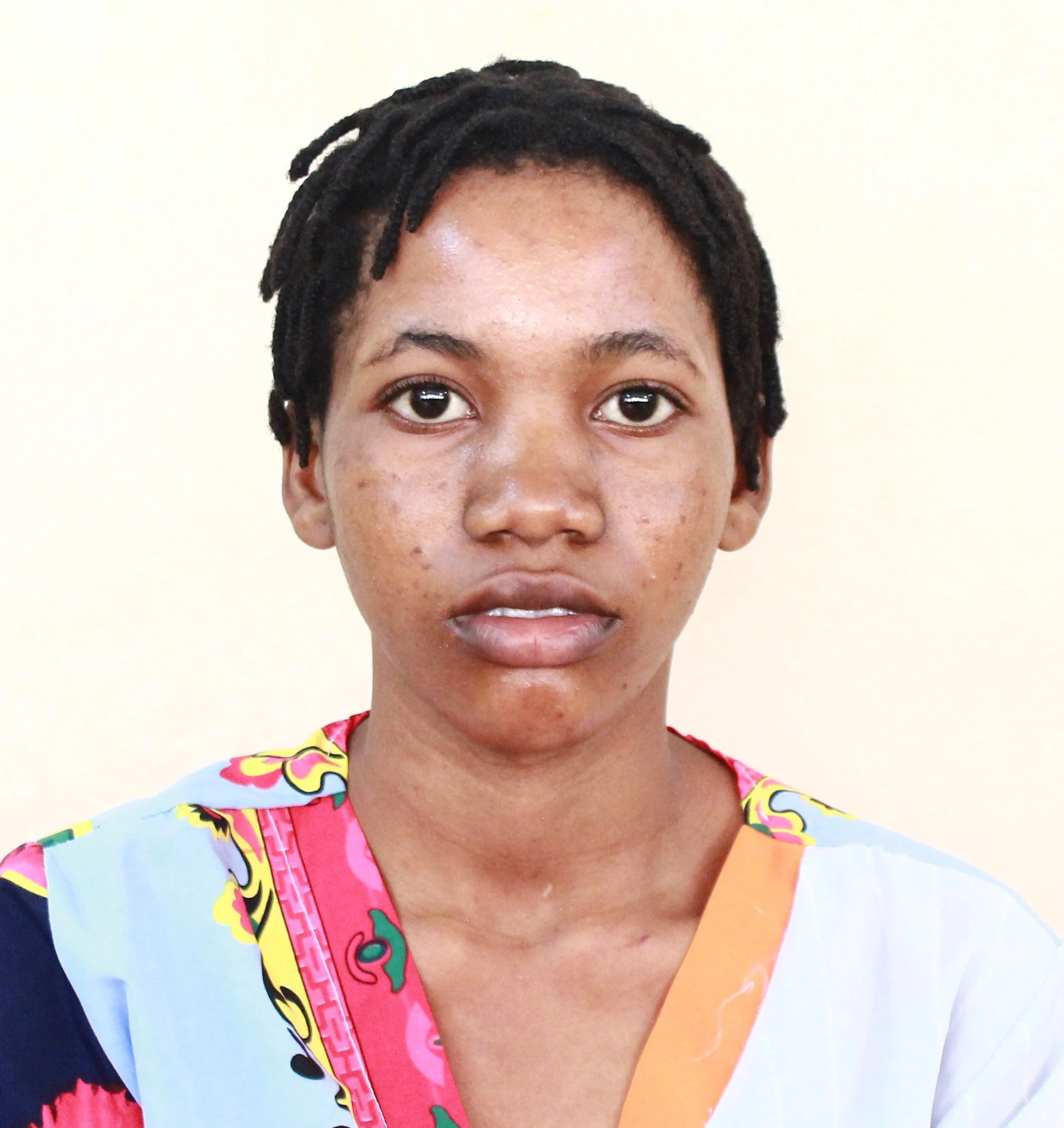
Nakanwaji Sumayyah
I got an insight on how to use different biostatistics tools in research and decision making
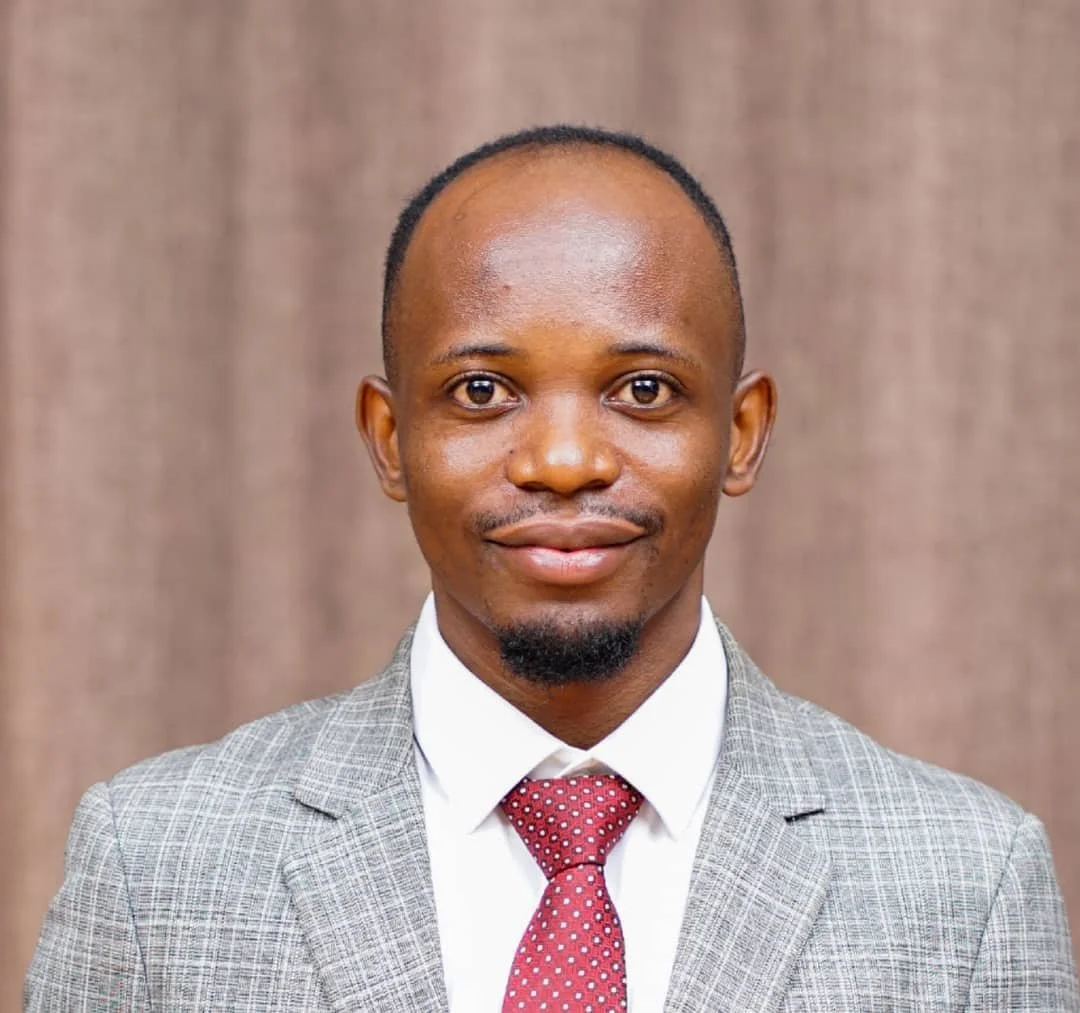
Dr. Kule Joel
The program was excellent
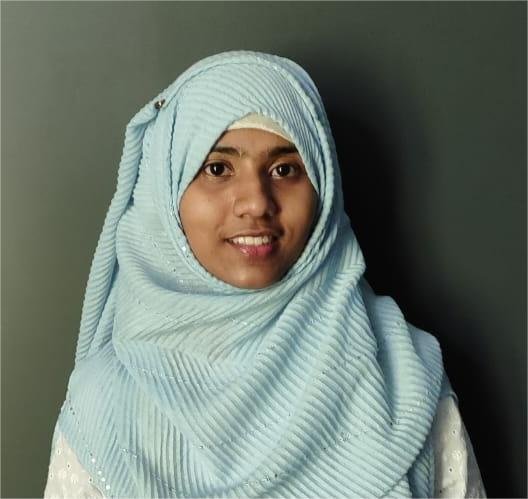
Fariha Binta Faruque
In this program, I have learned a lot. For the equation of dataset there are many tools & softwere that I know from the course. For research we need many tools & software that I learn from the program.
In this course, the trainers are very compitative for us.
As we the students are very eager to learn anything the trainers also eager to teach us their respective lecture. They help us to understand each of the function of the softwares and tools.
I learned about hypothesis system, how we can calculate the dataset by fact. The equations we learn so we can hypothetically predict the atmost potential results by the dataset.
I also learn the organization system of the dataset. By the course my skills try to improved and developed. I practiced what I have learned by my free time.
This program is very fruit-full for my personal skills and development.
Byaruhanga Jacob Wamoto
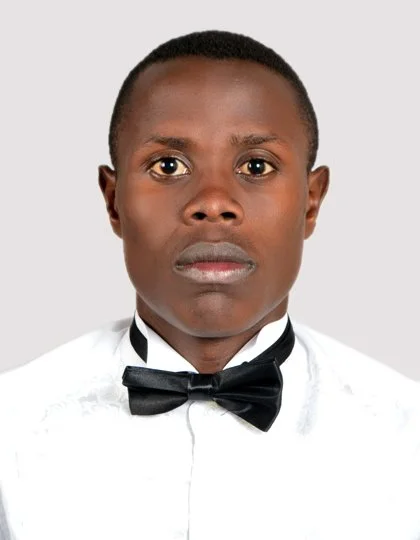
I enjoyed seeing how the program integrates core biostatistics concepts with practical research tools. The balance between theoretical foundations and hands-on software training helps translate abstract methods into actionable analysis. It’s rewarding to learn how to choose appropriate statistical models, understand their assumptions, and then apply those choices using real datasets.
This combination fosters both critical thinking and technical competence, which are essential for robust health research. Another highlight was the exposure to a variety of research tools used in biostatistics. Tools for data management, visualization, and advanced modeling provide a full-stack skill set.
Learning to manipulate data efficiently, produce clear and accurate visual summaries, and implement analyses in widely adopted software can greatly improve the reliability and communicability of findings. The ability to compare methods, run diagnostics, and validate results across tools is particularly valuable in interdisciplinary teams.
I also appreciated the emphasis on reproducibility and documentation. In biostatistics, transparent workflows, well-documented code, and clear analysis narratives are critical for peer review and replication.
Programs that teach version control, project organization, and the creation of shareable reports help ensure that analyses can be audited and extended by others. This focus aligns with best practices in clinical research and public health.
Finally, the collaborative and problem-solving aspects stood out. Working on real-world health data often involves navigating messy data, missing values, and quirky coding schemes.
A program that encourages teamwork, asks you to communicate complex statistical ideas to non-specialists, and provides opportunities for hands-on practice with challenging datasets can build confidence. The supportive environment and access to mentors or peers who can provide feedback further enhance the learning experience.
Kagenda Gabriel Atwoki
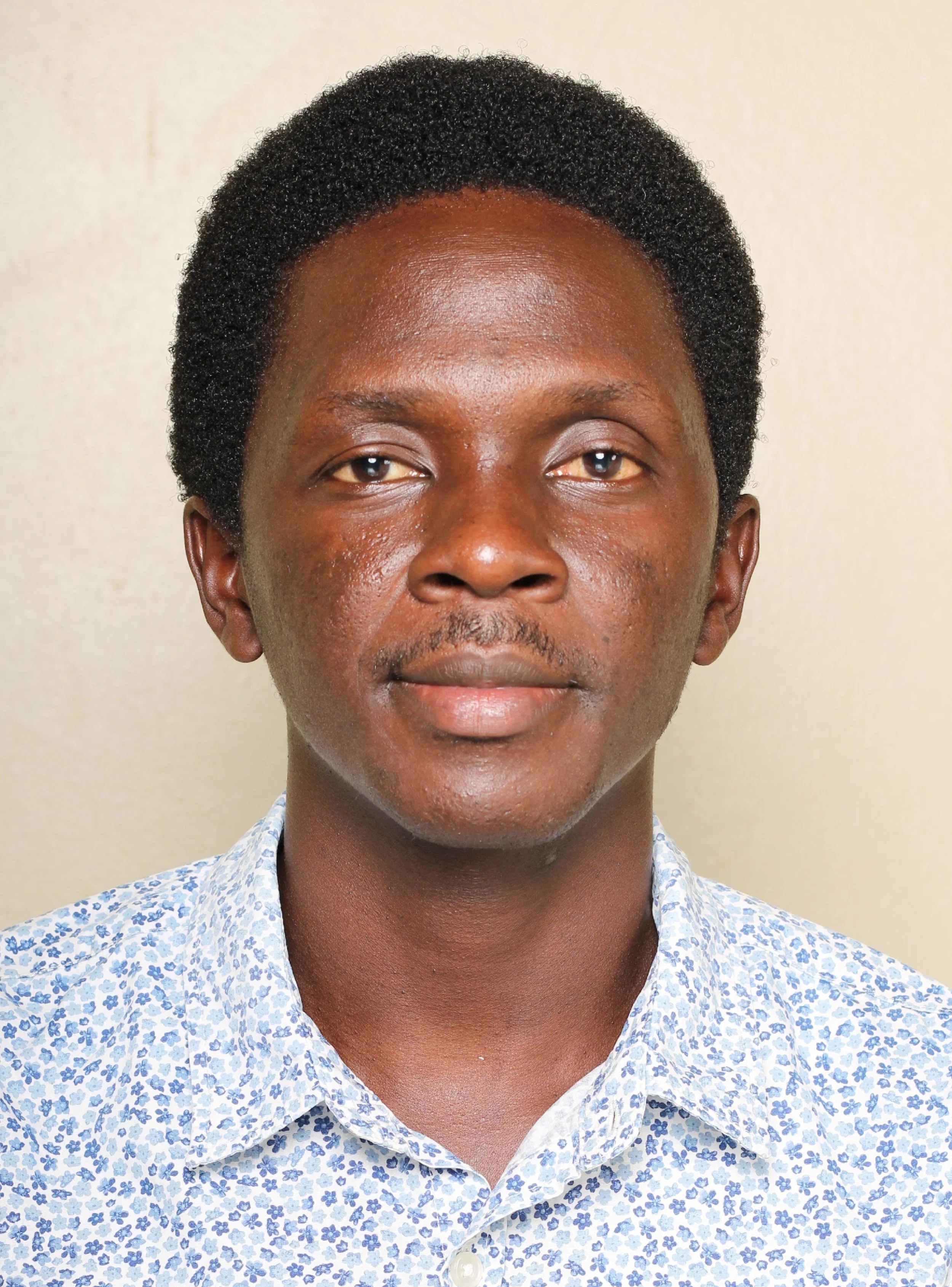
Attending the certificate training in research tools and biostatistics was a truly enriching and transformative experience. The program was well-structured and delivered in a manner that made both the theoretical and practical components highly accessible.
The sessions on Google Sheets and Kobo Toolbox were particularly valuable, introducing me to efficient methods of data management and collection that I had not fully appreciated before.
Revisiting the core principles and practices of biostatistics was another major highlight of the training. The revision sessions were insightful and helped clarify concepts that are essential for sound research interpretation and decision-making.
This renewed understanding has strengthened my confidence in applying statistical reasoning within professional and academic contexts.
I was especially impressed by the openness, dedication, and approachability of the mentors and coordinators. Their willingness to guide, explain, and ensure everyone kept pace created a positive learning atmosphere.
Their support made even the more challenging modules easy to follow and contributed significantly to my overall learning experience.
Overall, the training has greatly enhanced my ability to integrate research knowledge into daily practice. Simple yet powerful tools, such as Kobo Toolbox for data collection; revealed new possibilities and changed how I perceive the importance of even the smallest pieces of information.
This experience has broadened my perspective, strengthened my skills, and left me truly appreciative of the opportunity to participate in such a meaningful program.
Therefore, I have already referred so many people within my spheres of influence to this opportunity. I will forever positively talk about the benefits of this.