

MUTABAZI PHENIAS
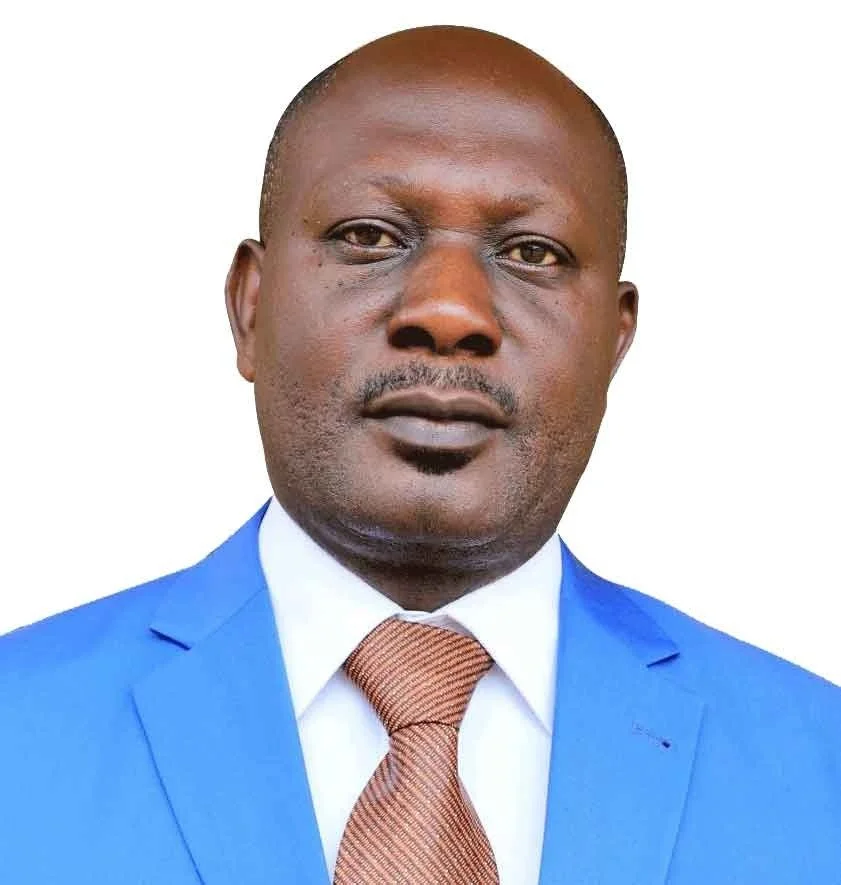
MUTABAZI PHENIAS
What Did you enjoy about the program?
Through this short course, I greatly valued how the content was delivered with engaging, practical methodologies that kept participants inspired rather than overwhelmed.
The instruction combined clear theory with hands-on exercises, making each session both informative and enjoyable. The modules were thoughtfully organized and presented in a flexible format, which accommodated different learning paces and professional schedules while maintaining depth and rigor.
Specifically, I learned substantial skills in writing research proposals and developing acceptable concept notes. The guidance on framing research questions, outlining methodologies, and articulating measurable outcomes has given me a solid foundation to pursue competitive grants.
I now approach proposal development with a structured process: defining purpose, identifying gaps, selecting appropriate designs, and forecasting potential impacts in a compelling, evidence-based narrative.
The course also clarified funding criteria and donor expectations, helping me tailor applications to align with funders’ priorities and timelines. This final award reinforces my growth as a professional who can bridge research and practical application.
It signals my readiness to design and manage research projects, translate findings into actionable interventions, and monitor progress with robust reporting.
I am better equipped to oversee grant-funded work from diverse donors, ensuring programs remain accountable, transparent, and results-oriented.
Moving forward, I will leverage these new competencies to strengthen collaboration with stakeholders, improve program quality, and demonstrate impact through clear, data-driven reporting.
Overall, this course has elevated my confidence and expanded my toolkit for contributing to evidence-based development initiatives.
PROFILE
Name: MUTABAZI PHENIAS
Phenias Mutabazi is a seasoned manager and development professional focused on empowering communities through health, youth development, and social-economic initiatives. He specializes in HIV/AIDS prevention, adolescent sexual and reproductive health (ASRH), GBV prevention, and health facility management, blending strategic planning with hands-on program implementation. Fluent in Kinyarwanda, French, and English, he works effectively with government ministries, NGOs, and international donors to advance sustainable outcomes for vulnerable populations.
Born in Rwanda, Phenias pursued dual master’s degrees that fuse business and public health: an MBA from UNICAF University (2017–2020) and an MPH in Global Health from Mount Kenya University (2016–2020). This combination underpins his ability to design, fund, and manage complex health and development programs. His leadership philosophy centers on empowerment, collaboration, and results-based management. He prioritizes building staff capacity, aligning activities with policy priorities, and maintaining fiscal discipline within budgets, while using rigorous planning, performance measurement, and adaptive learning to achieve durable impact.
Career highlights include his current role (July 2019–present) as HIV and Sexual Reproductive Health Specialist (Project Manager) with the Ministry of Youth and Arts, funded by Global Fund. There, he designs national policies, coordinates a nationwide network of youth centers, and champions interventions for vulnerable groups, including teen mothers and youth with disabilities.
Earlier positions at HANDICAP International (2014–2019), RWAMREC (MEN CARE+ Project, 2013–2014), and the USAID/FHI 360 ROADS Project (2010–2013) involved strategic leadership, budget and procurement management, capacity building, community empowerment, and robust M&E. He advocates for cross-sector collaboration to strengthen health systems and sustain community-led development.
OBJECTIVE
A committed and skilled manager with extensive experience in empowering communities within social-economic contexts. Expertise includes HIV/AIDS, Adolescent Sexual and Reproductive Health (ASRH), Gender-Based Violence (GBV) prevention, youth empowerment, and health facility management.
Adept at planning, setting priorities, and managing diverse staff groups. An organized and well-versed organizational coordinator, dedicated to contributing to a multicultural environment where perseverance leads to growth, career development, and shared success. Eager to leverage my skills to support your company's objectives and foster sustainable development
EDUCATION BACKGROUND
2017 -2020: Master’s Degree in Business Administration (MBA), awarded from UNICAF University;
2016- 2020: Master’s Degree in Public Health (MPH) in Global Health, awarded from Mount Kenya University (MKU).
KEY SKILLS AND COMPETENCIES
Leading, engaging and building confidence among organization staff;
Having exceptional interpersonal communication and motivational skills and a good approach to solving problems and developing organization;
Proved ability to stay within approved budgets, schedules and achieve objectives.
Hardworking, self-motivated with a flexible attitude, and able to adapt quickly to change;
Program management skills;
Skills in in Human management resource towards Results Based Financing
WORK EXPERIENCE
July 2019 to date: HIV and Sexual Reproductive Health Specialist (project Manager) in the Ministry of Youth and Arts financed by Global Fund. with the following key duties and responsibilities:
A) Developing policies, strategies and program that promote Reproductive Health and HIV prevention as well other programs among the youth:
This role involves managing and coordinating youth welfare interventions, including designing policies and strategies for health promotion.
Responsibilities include developing national documents, collaborating with media for mass mobilization, and establishing work plans for Global Fund-supported projects.
The position ensures procurement aligns with project needs, supports activities at youth centers and communities, and supervises the implementation of Sexual and Reproductive Health and Rights (SRHR) initiatives.
Additionally, it involves developing performance indicators related to comprehensive sexual education, organizing training sessions, and enhancing beneficiaries' skills in reproductive health and HIV prevention.
B) Ensure Youth Centers’ programs coordination countrywide:
This role entails supervising and mentoring staff across youth centers nationwide to implement social and economic empowerment programs in line with the National Youth Policy.
Responsibilities include developing project proposals to secure resources, establishing monitoring and evaluation systems for ongoing improvement, and ensuring efficient resource utilization.
The position emphasizes supporting vulnerable youth through training especially teen mother and youth with disability, entrepreneurship, and savings initiatives for business purpose
Additionally, it involves maintaining regular reporting and fostering collaboration with various partners, including government agencies, civil society, the private sector, and NGOs, to ensure successful program implementation and sustainable impact.
July 2014-June 2019: Project Manager at HANDICAP International for Mother and Child health and Fighting Epilepsy Project funded by Directorate General for Development Cooperation/ Kingdom of Belgium (DGD) with the following responsibilities:
A) Day-to-day project management by insisting on:
providing strategic direction in collaboration with project teams and partners, establishing methodologies for project execution, ensuring goals are achieved through participatory monitoring and evaluation, and developing detailed data collection instruments to support effective project management.
B) Administrative, Financial and equipment management
This role involves leading the project proposal process, forecasting and managing the project budget from inception to closure, ensuring financial management aligns with program and donor requirements.
It includes maintaining compliance with internal and donor procedures for payments and procurement, conducting regular budget revisions to achieve desired results, and producing timely financial and programmatic reports for donors
C) Procurement and Medical supply chain included in the project
Ensure all procurement items are included in the annual plan, maintain a comprehensive procurement plan, and ensure items distribution reports are available with invoices paid accordingly.
D) Management of project team and beneficiaries
It involves proposing job profiles, preparing performance contracts, coaching, mentoring, and conducting annual staff evaluations per HR policies.
It includes organizing training for hospital staff in Maternal and Child Health, emergency obstetric and newborn care, and mental health.
Additionally, it trains Community Health Workers to promote health services locally, ensures project beneficiaries are economically empowered through savings, farming, and small businesses, and supports establishing the National Organization of People with Epilepsy to enhance advocacy and long-term impact through psychoeducation groups
D) Management of partnership
This role involves ensuring active involvement of the Ministry of Health at all levels, from national to community, and engaging local authorities in project implementation.
It includes organizing and engaging the National Steering Committee, participating in National Technical Working Groups to advocate for project integration, and coordinating with district-level entities like the District Health Management Team and Joint Action Development Forum to ensure proper positioning within the decentralized health structure
E) Project Evaluation
Ensure baseline, midterm, and endline evaluations are conducted, with Quality of Life measured before and after implementation using SurveyCito via ScoPeO to assess project impact.
2013-2014: Coordinator of “MEN CARE + Project” at RWAMREC
This role involves ensuring effective coordination, monitoring, and evaluation of the MenCare project.
Responsibilities include developing action plans aligned with the M&E grid, liaising with the project coordinator to produce quarterly work plans, and participating in the creation and implementation of training modules to build capacity among district partners and stakeholders.
The role also entails organizing and overseeing district-level training workshops, developing M&E matrices and supervision schedules, and establishing youth savings groups to promote economic empowerment through initiatives like VSLA, linking to local banks, livestock, and small businesses.
Additionally, it involves advising on advocacy strategies for mass mobilization, facilitating formative research, providing technical and managerial support to staff, and producing periodic reports for RWAMREC.
2010-2013: Coordinator of Project of fighting against HIV/AIDS to the Cluster of PLWHIV under the USAID through the FHI360 ROADS Project
The main responsibilities include supporting associations and cooperatives through capacity-building activities such as training, data management, and community engagement.
This involves organizing awareness events on HIV prevention, voluntary testing, and distributing IEC/CCC materials.
The role also encompasses assisting beneficiaries in implementing economic empowerment programs like organic farming, VSLA, and linking them with local banks for loans, as well as establishing livestock projects to foster economic growth.
Additionally, the position involves setting up condom and mosquito net sales
points in collaboration with PSI to increase access to family planning and HIV prevention products.
The role requires helping community volunteers and management committees prepare financial reports, monitoring activity progress, and supporting partners in project execution.
Strengthening institutional capacities in planning, financial management, and community outreach is essential.
The role also includes organizing community events for HIV/AIDS awareness, improving referral systems for vulnerable groups, and establishing data collection tools.
TRAINING AND PROFESSIONAL DEVELOPMENT
Training on management of health institutions organized by CEFOCK (KHI);
Training on Budget Support Process organized by Ministry of Local Government (RALGA);
Training of Trainers on methodology of Voluntary Saving and Loan Associations (VSLA) for young people by FHI360;
Training on monitoring and evaluation by Outcomes Mapping methodology in Project Management by MDF and Handicap International
Training on Research & Project Implementation by FISORI (short course)
Training on accounting and financial management, and management of human resources, organized by RALGA;
Training on Human Resources Management organized by MDF;
Training on Adolescent Sexual and reproductive health and gender issue through Men Engage approach done by the Ministry of Health
Training on sexual violence and gender in relation to reproductive health organized by MEMISA CORDAID and UNFPA;
Training on mental health organized by the Support Project for the National Mental Health Program;
Training on quality assurance techniques organized by University of Rwanda;
Training on Logistics and supply chain Management by Rutgers University possibilities
Volunteer activities
Serving as UN Volunteer for various programs (online)
Served as Member of Rusizi District Advisory Council
PUBLICATIONS
“Knowledge, Attitude and Practices on Epilepsy Management Among Community Health Workers in Nyabihu District, Rwanda” Link:
http://www.globalscientificjournal.com/researchpaper/Knowledge_Attitude_and_
Practices_on_Epilepsy_Management_Among_Community_Health_Workers_in_Nyabihu_District_Rwanda_.pdf
SKILLS
Computer Skills
Project/Program Management
Financial Management
Grant and Project proposal writing
Logistics and Supply chain management
Human Resource Management
Partnership Management