

Nyuma Lee Emmanuel
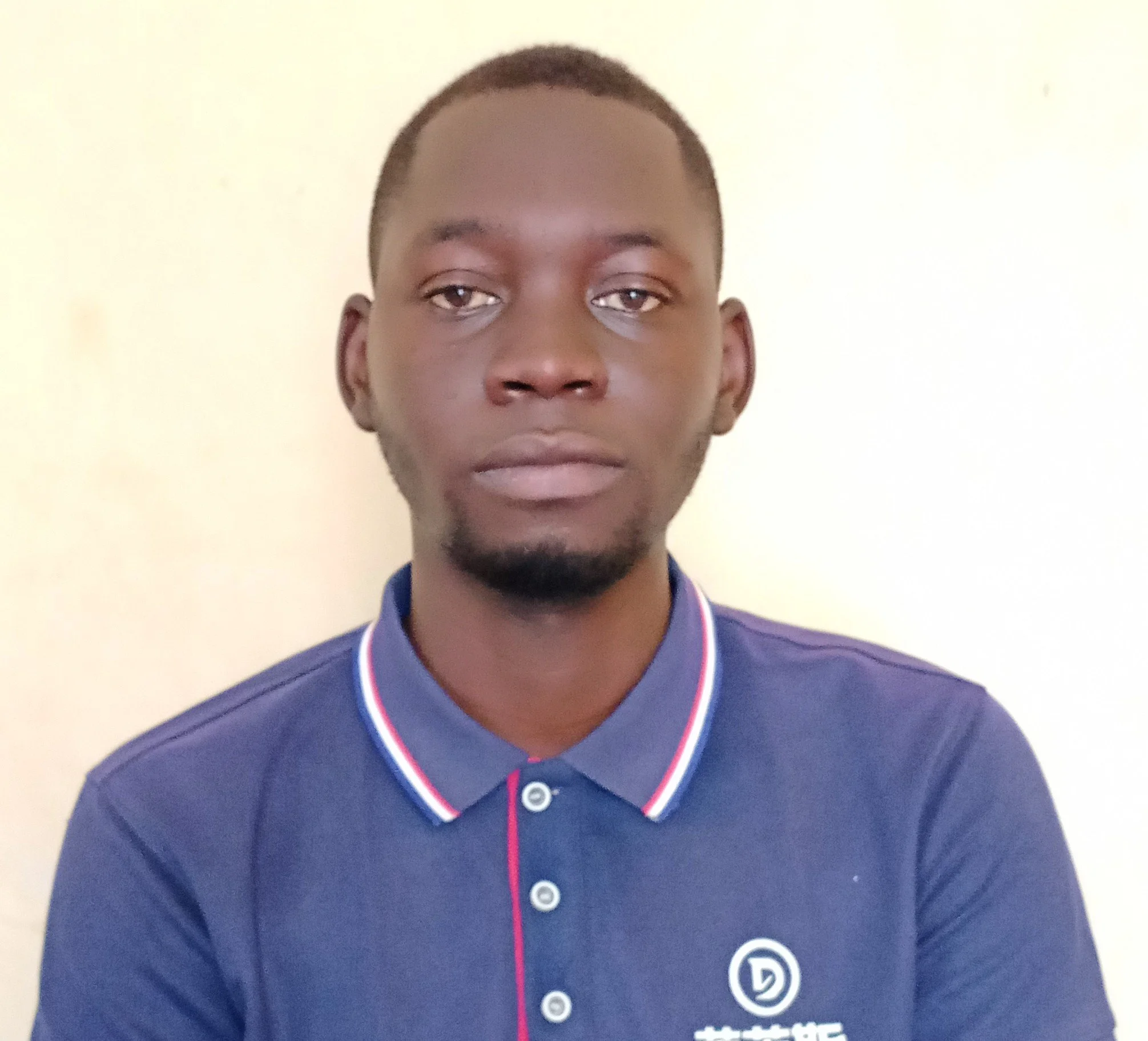
Nyuma Lee Emmanuel
What Did you enjoy about the program?
I truly enjoyed this biostatistics course because it gave me the opportunity to explore a wide range of research tools and software that are essential for data analysis in public health and medical research. Learning about statistical packages and analytical environments made the subject feel practical rather than just theoretical.
It was exciting to see how raw data could be transformed into meaningful results using real research tools. Every new tool introduced opened a window into how professional biostatisticians work, and that made the learning experience especially rewarding for me.
One of my favorite aspects of the course was attending lectures through Zoom. The virtual learning format made it flexible and easy to stay engaged regardless of location, and it also reflected real-world research collaboration, which increasingly happens online.
What made it even more enjoyable was that each Zoom lecture was delivered by a different lecturer, bringing fresh perspectives, teaching styles, and areas of expertise.
I also enjoyed the exposure to multiple software tools commonly used in biostatistics. The lessons helped me understand the strengths of different platforms for tasks such as data cleaning, visualization, statistical modeling, and interpretation.
It felt empowering to recognize which software is best suited for certain types of analysis and research designs. The course motivated me to practice more independently and reinforced my interest in working with data-driven decision-making.
Overall, the course was both educational and inspiring. The Zoom-based delivery combined with contributions from different lecturers made it feel dynamic and collaborative. More than anything, I enjoyed seeing how research tools bridge the gap between numbers and real public health insights.
It strengthened my analytical confidence and reminded me that biostatistics is not just about calculations it's about solving real problems with the help of powerful, purposeful technologies.
PROFILE
Name: Nyuma Lee Emmanuel
Nyuma Lee Emmanuel is a dedicated Public Health Professional, Clinical Officer, and community health advocate with more than four years of experience working within humanitarian and development settings in Uganda. He has built a distinguished career rooted in service, accountability, and a strong commitment to improving health outcomes among vulnerable communities. His work reflects a deep passion for equitable healthcare access, effective disease prevention, and capacity strengthening at grassroots and district levels.
Emmanuel’s professional journey began after completing his Diploma in Clinical Medicine and Community Health from Mbale School of Clinical Medicine in 2021. This formative training grounded his clinical assessment, patient management, and community-oriented healthcare skills that has later shaped my dual competencies in clinical service and public health programming. He desires to influence health systems more broadly inspired him to advance his studies, earning a Bachelor of Science in Public Health from Mountains of the Moon University in 2025.
His early clinical career at Fort Portal Regional Referral Hospital provided hands-on experience in outpatient care, diagnosis, minor surgical procedures, and management of acute and chronic conditions. During his tenure, he demonstrated strong clinical judgment, professionalism, and compassion for patients. He led preventive health activities, participated in immunization campaigns, and ensured adherence to clinical and infection prevention guidelines. This period strengthened his ability to integrate clinical reasoning with community health priorities, preparing him for more extensive public health responsibilities.
In 2022, he joined the International Rescue Committee (IRC) as a Health Project Officer, a role that allowed him to expand his impact from individual patient care to large-scale community interventions. Over the years, I have successfully implemented community-based programs in WASH, HIV/AIDS, nutrition, immunization, maternal and newborn health, gender-based violence prevention, and communicable disease control. His efforts contributed to reaching more than 10,000 community members in Arua and surrounding areas.
At IRC, he played a key role in strengthening disease surveillance systems, supporting outbreak investigations, and enhancing district-level public health readiness. He also collaborated closely with District Health Teams to ensure timely detection and response to health threats such as measles and waterborne diseases. Through meticulous data collection and reporting using DHIS2 and other health information systems, he consistently ensured accuracy and accountability traits that have gained his respect among colleagues and stakeholders.
His work in community engagement stands out as a hallmark of my career. He led mobilization campaigns that significantly improved immunization uptake, antenatal attendance, and health-seeking behaviors among communities. Emmanuel facilitated health education sessions on hygiene, nutrition, family planning, and disease prevention, using participatory methods that empowered community members to make informed decisions. His leadership extended to training and mentoring Village Health Teams (VHTs) and Community Health Workers (CHWs), strengthening local capacity for sustainable health service delivery.
Emmanuel is also recognized for his ability to coordinate multi-sectoral partnerships. He has worked effectively with local governments, NGOs, community-based organizations, and international partners to facilitate referrals, support reproductive and child health programs, and ensure efficient use of medicines and medical supplies. His strong interpersonal and communication skills has enabled him to build trust with communities, government actors, and humanitarian agencies alike.
Throughout Emmanuel’s career, he has also invested in continuous professional development. He holds certificates in Integrated Disease Surveillance and Response (MOH, 2025), Gender-Based Violence Core Concepts (UNICEF, 2023), Prevention of Sexual Exploitation and Abuse (UNICEF, 2021), Antimicrobial Stewardship (WHO, 2020), Integrated Management of Neonatal and Childhood Illnesses (2020), and Introduction to Nutrition (MOH/Kyambogo, 2020). These certifications demonstrate his commitment to ethical practice, safeguarding, and adherence to international public health standards.
Beyond his professional roles, he is a family-oriented individual, known for humility, discipline, and dedication to community service. He is fluent in English, Luganda, and basic Ateso, which has contributed significantly to his ability to work in diverse environments and multicultural settings.
Today, Nyuma Lee Emmanuel continues to build on his vision of strengthening health systems, advancing community-centered health initiatives, and contributing to national development through evidence-based public health practice. His aspirations include expanding his expertise in maternal and child health, disease surveillance, and program leadership, with the long-term goal of influencing health policies and shaping resilient community health systems in Uganda and beyond. And recently he equipped himself with learning of Research Tools & Software in Biostatistics.
Personal information
Professional Summary
Dedicated and results-oriented Public Health Professional with over four years of experience in implementing community health projects in humanitarian and development contexts. Skilled in disease surveillance, community mobilization, and health education, with a proven record of improving health outcomes through participatory community approaches. Seeking to leverage my experience and passion for community service in the role of District Program Officer MNCH & Malaria in Karamoja.
Experience
International Rescue Committee (IRC) — Health Project Officer Arua, Uganda | 1 st April 2022 – 30 th September 2025
Key responsibilities
Implemented community-based health programs focusing on WASH, HIV/AIDS, nutrition,
immunization, and maternal health reaching over 10,000 beneficiaries.
Conducted disease surveillance and outbreak response activities in collaboration with district health teams, contributing to timely detection and control of epidemics.
Led community mobilization campaigns that resulted in a significant increase in immunization coverage and Antenatal care attendance.
Provided health education sessions on hygiene, nutrition, family planning, and communicable disease prevention.
Coordinated home visits and referrals for vulnerable households, ensuring follow-up and linkage to care.
Collected, analyzed, and submitted health data using DHIS2, ensuring accurate and timely reporting.
Facilitated training sessions for Community Health Workers (CHWs) and village health teams on public health topics.
Strengthened partnerships with local government, NGOs, and community-based organizations to improve health service delivery.
Led district-level implementation of Reproductive, Maternal, Neonatal, Child and Adolescent Health programs, ensuring alignment with Ministry of Health guidelines.
Supervised health workers and community resource persons to improve maternal and child health outcomes.
Coordinated with district health teams and partners to strengthen referral pathways and service delivery.
Ensured accountability for medicines, medical supplies, and cold chain management.
Participated in outbreak investigation and rapid response interventions for notifiable diseases like measles.
Fort Portal hospital – Clinical Officer Kabalore district | 1 st April 2021 – 31 st March 2022
Key responsibilities
Conducted comprehensive patient assessments, including medical history, physical examinations, and diagnosis.
Provided outpatient care for common ailments, infections, and non-communicable diseases.
Managed acute and chronic conditions such as hypertension, diabetes, respiratory infections, and gastrointestinal disorders.
Administered and prescribed medications, injections, and therapeutic interventions according to treatment protocols.
Referred patients requiring specialized care to appropriate healthcare professionals or facilities.
Performed minor surgical procedures such as suturing, wound care, and incision and drainage.
Led preventive health programs, including immunization drives, health education, and family planning services.
Monitored patients' response to treatment and made necessary adjustments to their care plans.
Maintained accurate and up-to-date patient records and clinical documentation.
Ensured compliance with clinical protocols and infection control practices within the hospital.