

ASHUSONG Samuel TABOT
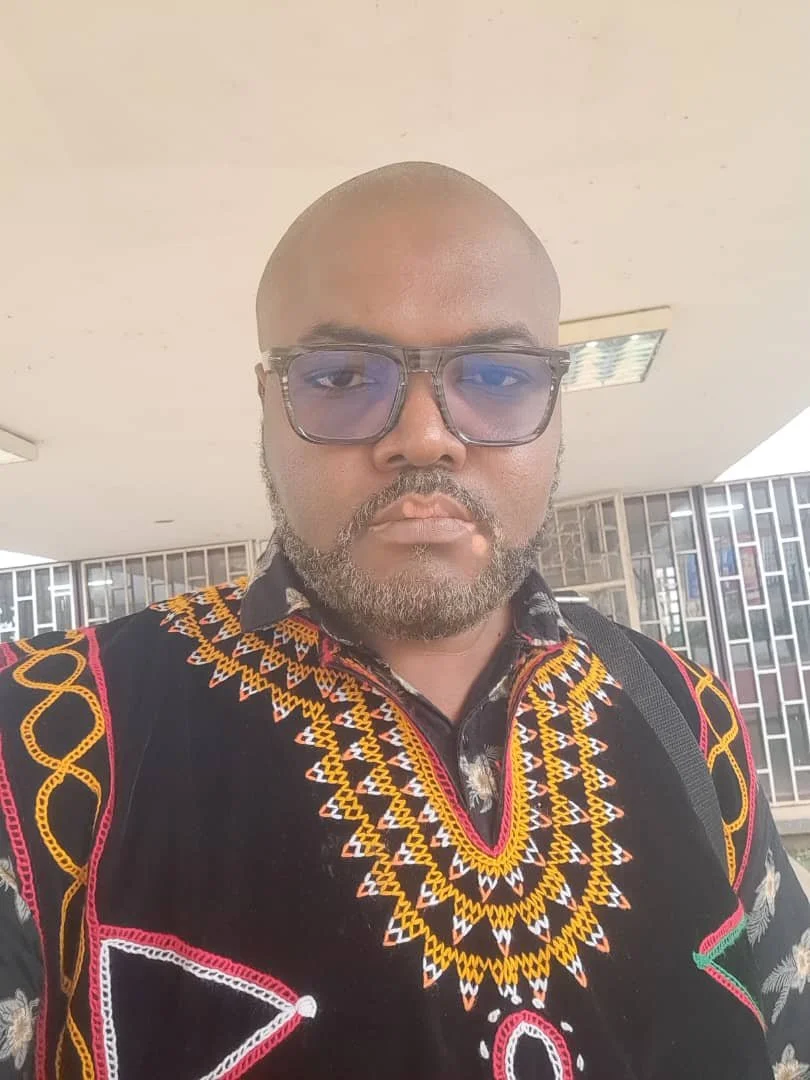
ASHUSONG Samuel TABOT
What Did you enjoy about the program?
The mentorship program and the dynamism of the course
PROFILE
Name: ASHUSONG Samuel TABOT
ASHUSONG Samuel TABOT is a Cameroonian Medical Laboratory Scientist, Clinical Biochemist, and Immunologist whose career bridges hospital-based diagnostics, university teaching, and applied research on sickle cell disease in African settings. Born on 11 July 1983, he has built more than a decade of progressive experience in medical laboratories, rising from bench scientist to deputy director of a training institution for future laboratory professionals.
He obtained his Higher National Diploma (HND) and Bachelor of Medical Laboratory Science (BMLS) in Cameroon, laying a strong technical foundation in haematology, biochemistry, microbiology, immunology, and blood transfusion. Driven by a deep interest in the immunological and biochemical basis of disease, he pursued a Master’s degree in Health Sciences with a focus on Immunology at the Catholic University of Central Africa (UCAC), where his dissertation explored anti-A and anti-B haemolysins among blood group O blood donors. He later completed a second Master’s degree in Clinical Epidemiology (Clinical Biochemistry option) at the Faculty of Medicine and Biomedical Sciences (FMBS), University of Yaoundé I, conducting research on biomarkers used in the management of disseminated intravascular coagulation (DIC) among highway accident patients.
Building on this dual training in immunology and clinical biochemistry, Samuel enrolled in a PhD programme in Medical Biochemistry at FMBS, University of Yaoundé I. His doctoral research focuses on sickle cell disease, haemolysis, and organ dysfunction, with particular interest in the genetic characterization of the Krüppel-like factor 1 (KLF1) gene in children living with sickle cell disease and treated with hydroxyurea in Yaoundé. Through this work, he aims to deepen understanding of how genetic modifiers and therapeutic strategies influence haemoglobin switching, haemolysis indices, and liver and kidney function in real-world African clinical settings.
Professionally, Samuel has served in some of Cameroon’s key referral hospitals. At the Regional Hospital Bafoussam, he worked as a Senior Medical Laboratory Technician from 2012 to 2019, rotating through major sections of the laboratory and participating in the development of standard operating procedures, equipment maintenance, and quality assurance. He later joined the Central Hospital in Yaoundé as a Medical Laboratory Scientist, where he headed the Emergency Laboratory Unit of the Central Laboratory. In this role, he has been responsible for ensuring accurate, timely results in acute care situations, coordinating with clinicians, and maintaining high standards of biosafety and quality in a high‑pressure environment.
Alongside his hospital responsibilities, Samuel is deeply involved in teaching and academic leadership. He is the Deputy Director of the School of Medical Laboratory Technicians in Yaoundé, where he oversees administrative and academic activities, helps shape curricula, and mentors the next generation of medical laboratory professionals. He also serves as an associate lecturer at the Catholic University of Central Africa (UCAC), School of Health Sciences, where he teaches hygiene and safety in the medical laboratory as well as practical immunology. His teaching philosophy combines scientific rigour, strong ethics, and a focus on patient‑centred care, particularly in resource‑limited settings.
Samuel’s research interests include sickle cell disease, haemolysis and organ dysfunction, hydroxyurea therapy, biomarker discovery, and the development of composite indices to monitor disease severity and treatment response. He is equally interested in laboratory quality systems, biosafety, and implementation research that can help African hospitals improve diagnostic capacity using realistic, context‑appropriate solutions. He has co‑authored peer‑reviewed work in these areas and continues to develop manuscripts based on his PhD research and collaborative projects.
Over the years, he has strengthened his expertise through numerous professional trainings, including TREE‑certified courses on ethics in human research, ISO‑based integrated management systems, medical laboratory management, and equipment maintenance. He is proficient in SPSS for statistical analysis and uses Microsoft Office and LaTeX for data management and scientific writing. His ability to move between bench work, data analysis, and manuscript preparation makes him a versatile collaborator on multidisciplinary projects.
Beyond his professional and academic commitments, Samuel is a husband and father of four, balancing family life with an intense schedule of clinical duties, teaching, and research. He enjoys travelling, reading, listening to music, singing, and exploring the internet for new tools and opportunities for professional growth and scientific collaboration.
Looking ahead, ASHUSONG Samuel TABOT envisions expanding his work on sickle cell disease, haemoglobin variants, and organ dysfunction biomarkers through regional and international collaborations. He is particularly keen on multicentre studies, joint grant applications, and exchange programmes that connect African laboratories with global research networks. His long‑term goal is to contribute to evidence‑based policies and laboratory practices that improve the diagnosis, monitoring, and overall quality of life of patients living with sickle cell disease and other chronic conditions in Africa.
Research Profile
Medical Laboratory Scientist and Clinical Biochemist with over 10 years of experience in diagnostic medicine, biomedical analysis, and teaching in Cameroon. Currently a PhD candidate in Medical Biochemistry at the Faculty of Medicine and Biomedical Sciences (FMBS), University of Yaoundé I.
My research focuses on haemoglobinopathies, sickle cell disease, haemolysis, organ dysfunction biomarkers, and the genetic characterisation of Krüppel-like factor 1 (KLF1) in hydroxyurea-treated patients. I am particularly interested in collaborative projects on biomarker discovery, clinical laboratory research, and translational sickle cell disease research in African settings.
Current Positions
Deputy Director and Lecturer, School of Medical Laboratory Technicians, Yaoundé, Cameroon (2020 – Present)
Medical Laboratory Scientist, Central Hospital Yaoundé (Laboratory service) (2019 – Present)
Associate Lecturer, Catholic University of Central Africa (UCAC), School of Health Sciences, Yaoundé (2020 – Present)
Education
PhD (cand.) Medical Biochemistry, FMBS, University of Yaoundé I – Cameroon.
Thesis: Genetic characterisation of the KLF1 gene in sickle cell patients on hydroxyurea.
MSc Clinical Epidemiology (Clinical Biochemistry), FMBS, University of Yaoundé I – Cameroon. Dissertation on biomarkers in DIC among highway accident patients.
MSc Health Sciences (Immunology), UCAC, Yaoundé – Cameroon. Dissertation on anti-A and anti-B haemolysins in blood group O donors.
BMLS & HND in Medical Laboratory Science, Cameroon.
Key Research Interests
Sickle cell disease: haemolysis, organ dysfunction (liver, kidney), hydroxyurea response.
KLF1 and other genetic modifiers of haemoglobin switching and HbF induction.
Development and validation of composite indices and biomarkers in resource-limited settings.
Clinical laboratory quality, biosafety, and implementation research in African hospitals.
Selected Publication
1. Kengne Fotsing CB, Pieme CA, Biapa Nya PC, Chedjou JP, Ashusong S, Njindam G, et al. Article ID 6939413, 2021. doi:10.1155/2021/6939413.
Selected Trainings & Skills
• TREE-certified training in ethics in human research (7 modules).
• Training in medical laboratory management, ISO-based quality systems, and equipment maintenance.
• Strong experience with haematology, biochemistry, immunology, microbiology, and blood transfusion techniques.
• Data management and analysis using SPSS; scientific writing (Word, PowerPoint, LaTeX).
Collaboration Interests
Open to collaborations on multicentre studies of sickle cell disease, KLF1 and HbF- modifying variants, hydroxyurea monitoring, and implementation of low-cost biomarker panels in African clinical laboratories. I am also interested in co-developing protocols, joint grant applications, and student/researcher exchanges.